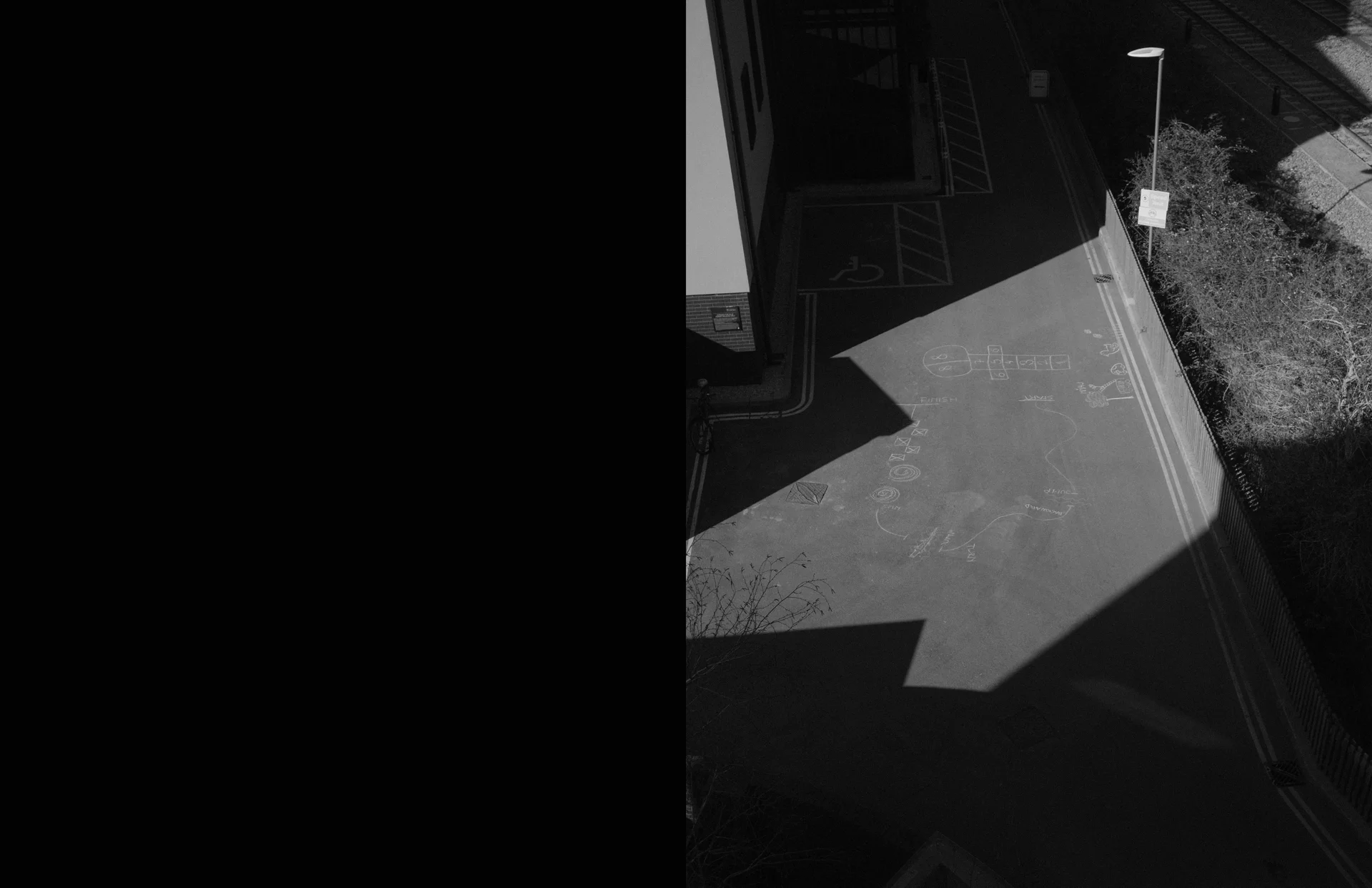
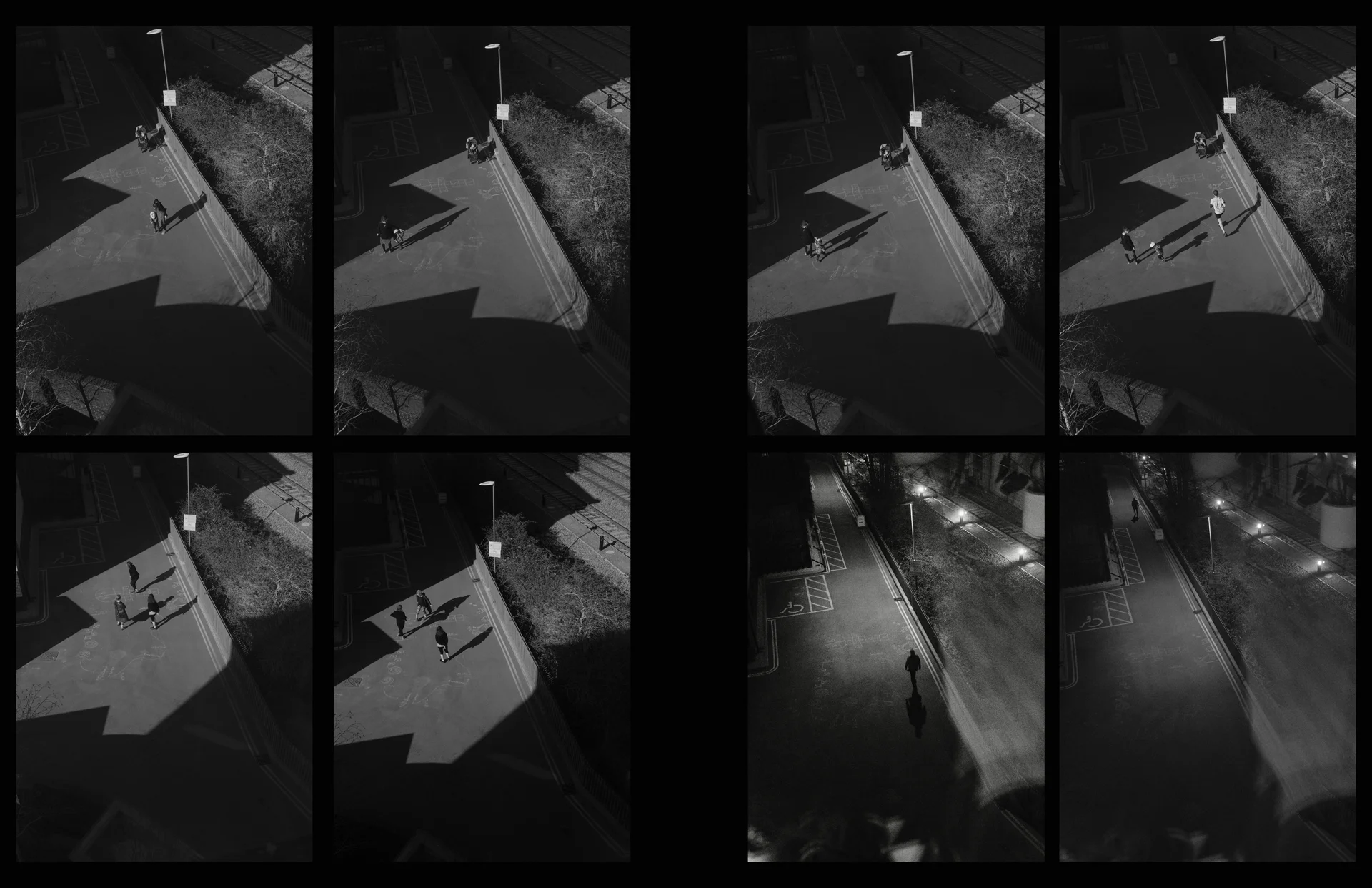
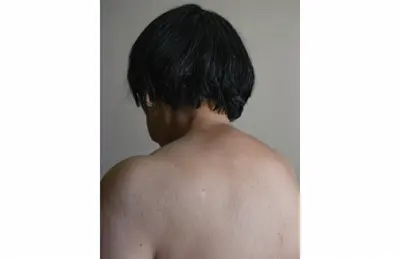
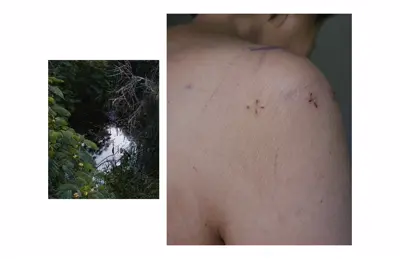
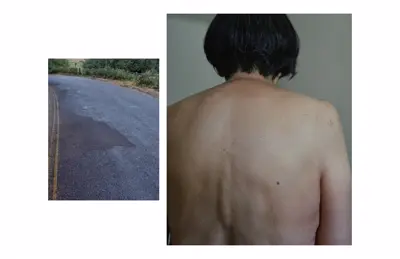
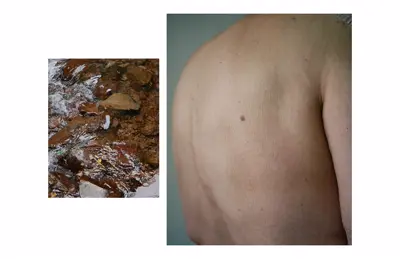
In 2020, I was finishing a personal project abroad when the pandemic arrived with full force. The strict lockdowns imposed by that government allowed only a few hours outside, always at a distance from others. This affected my emotional state in an unexpected way. Though I was not the only one in the world, I felt as though I were. Time passed, and the project I was about to complete remained unfinished. I returned to Chile, and with that came more confinements, vaccines, strangeness, and mistrust. This time, the enclosure reached back into my childhood, and after decades, I had to move south to reconnect with the home of my earliest years. After the pandemic came another confinement: caring for my mother, and the encounter with what is perishable.
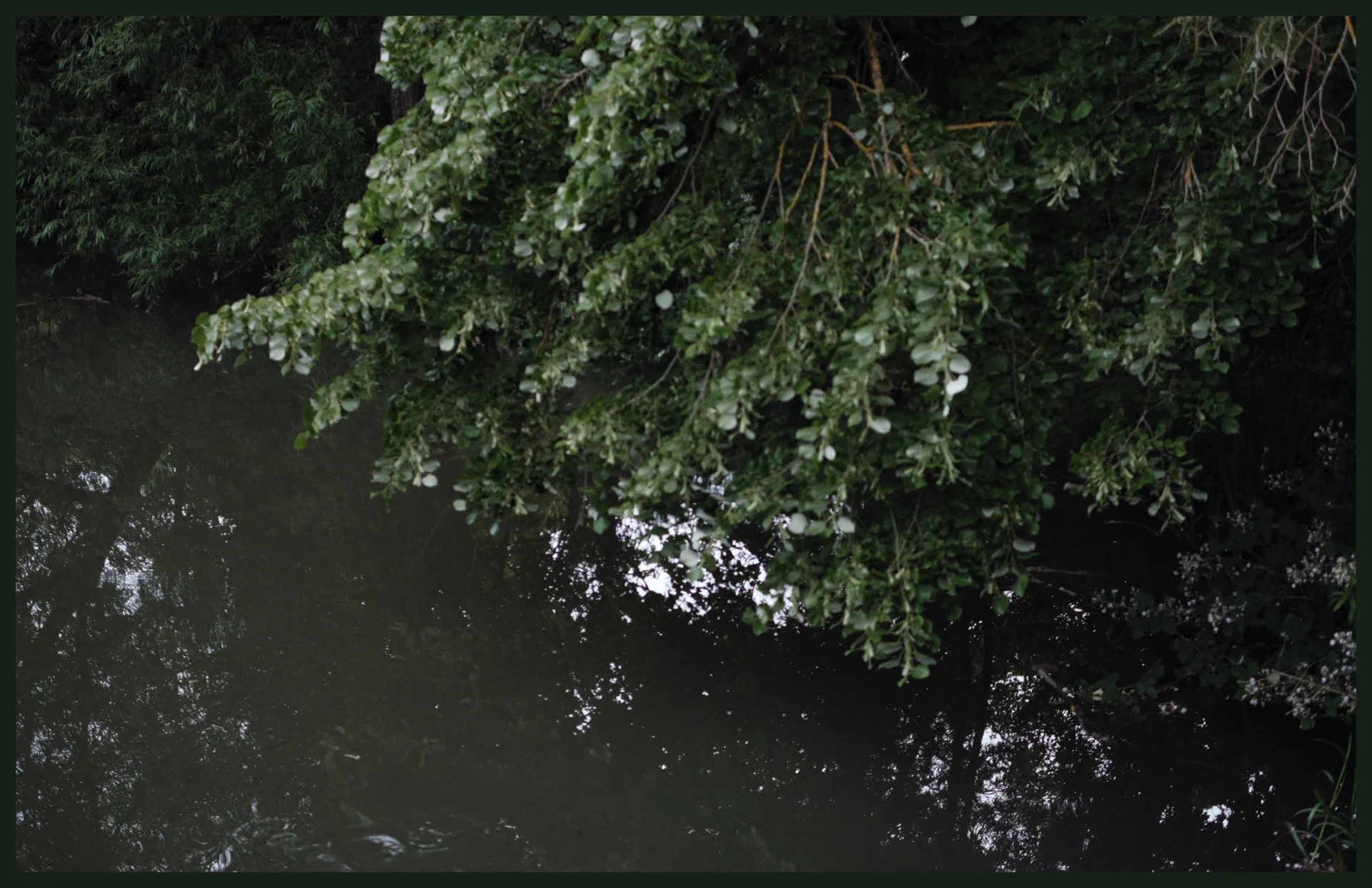
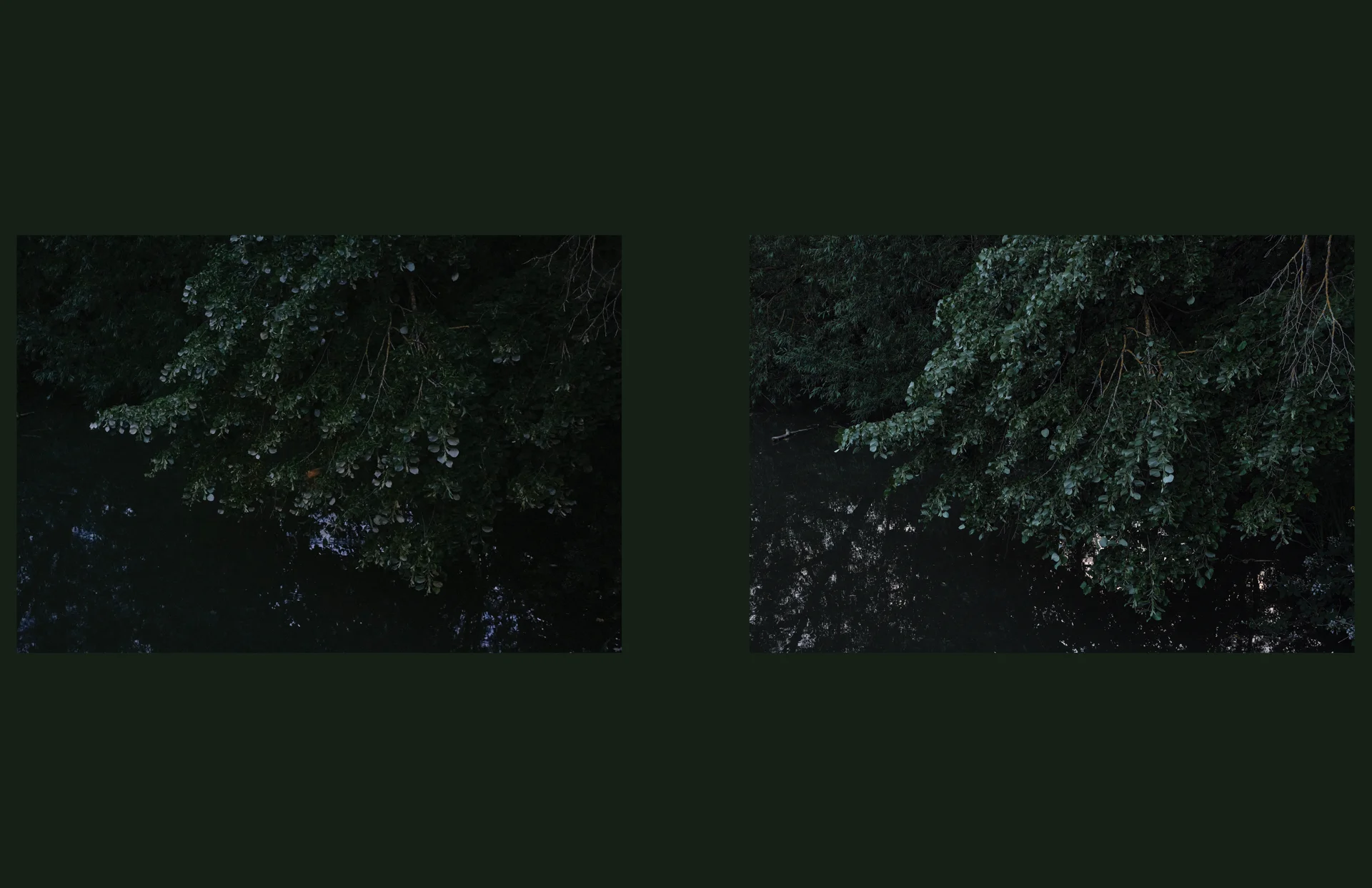
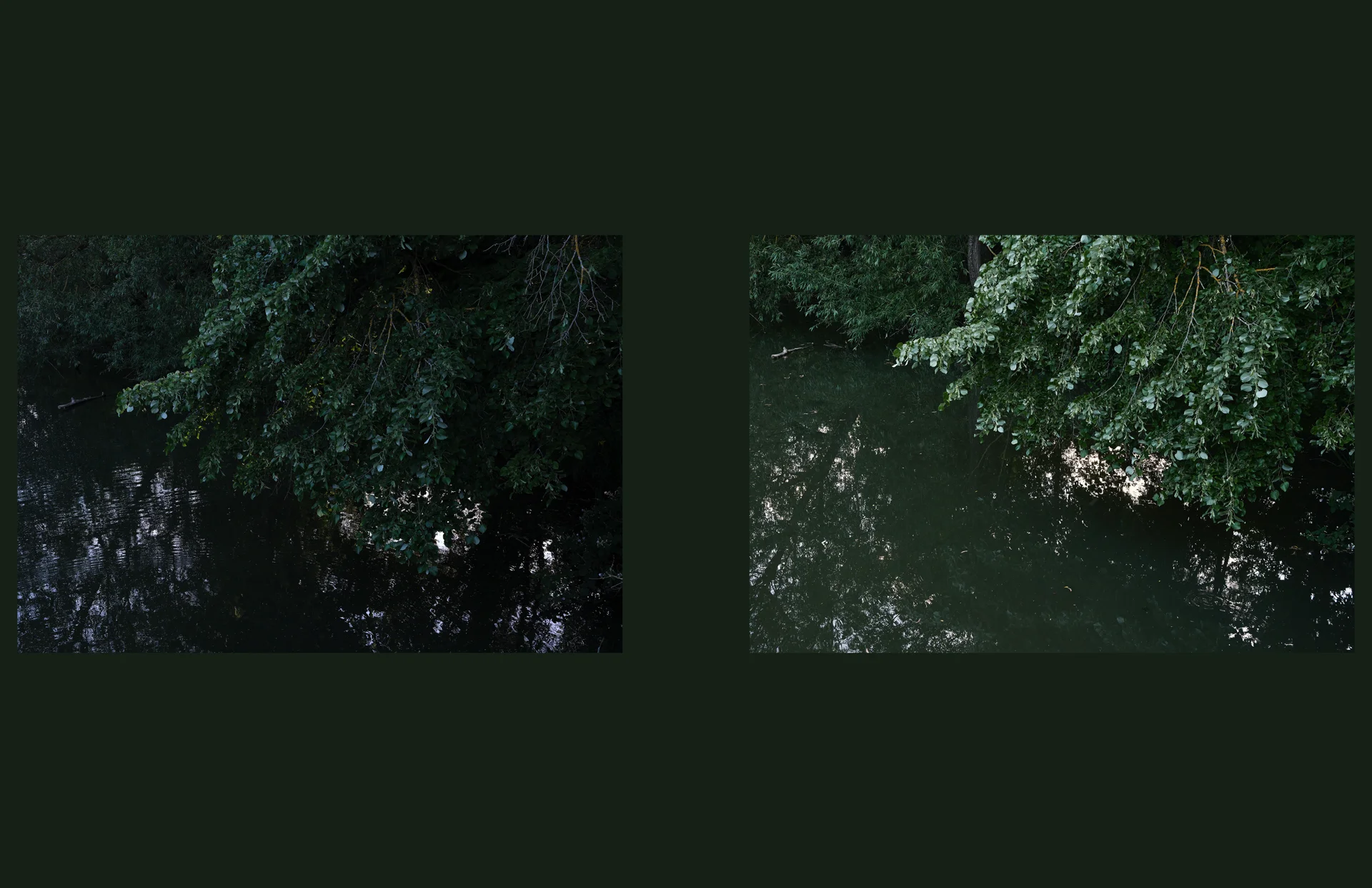
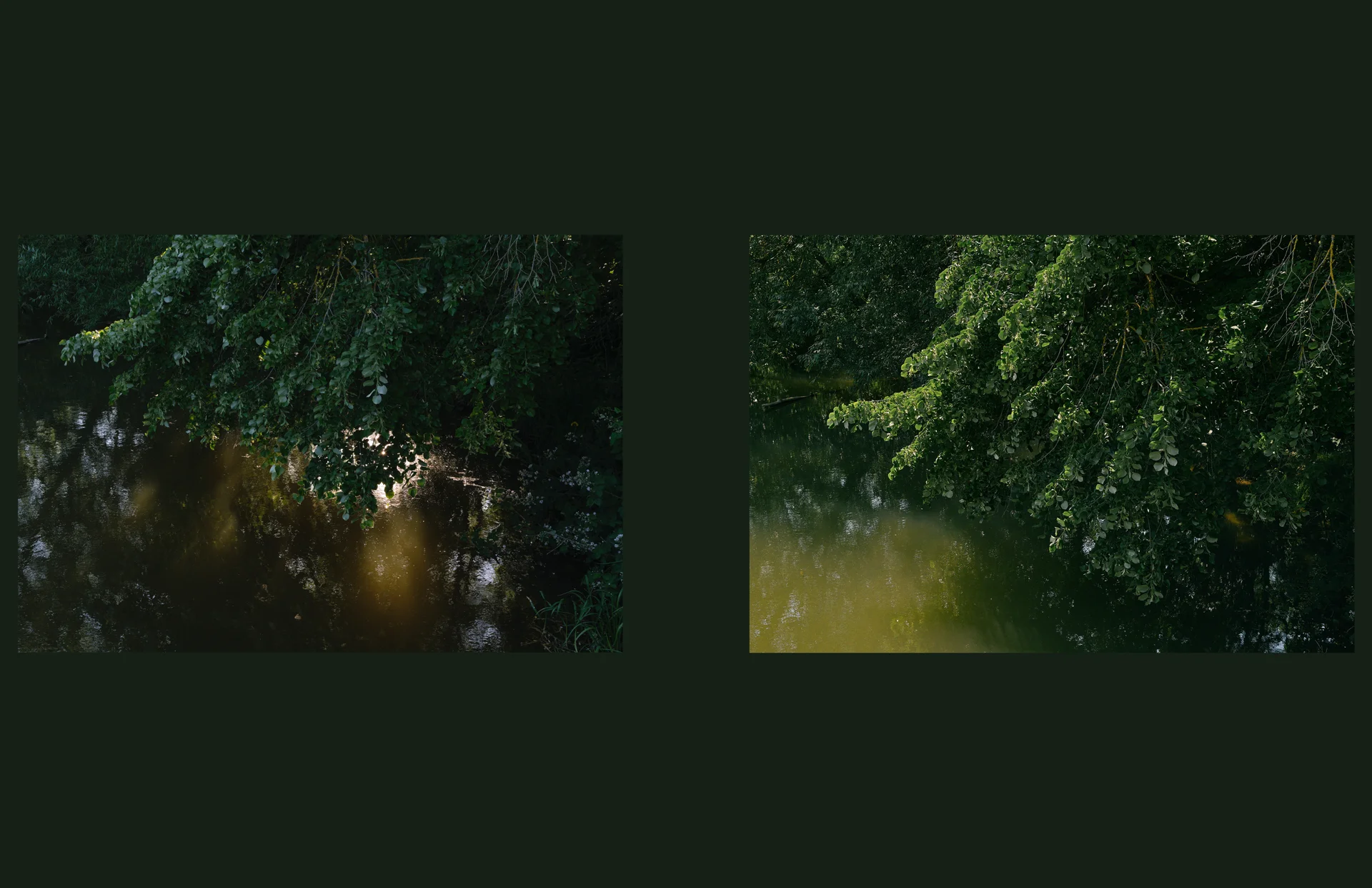
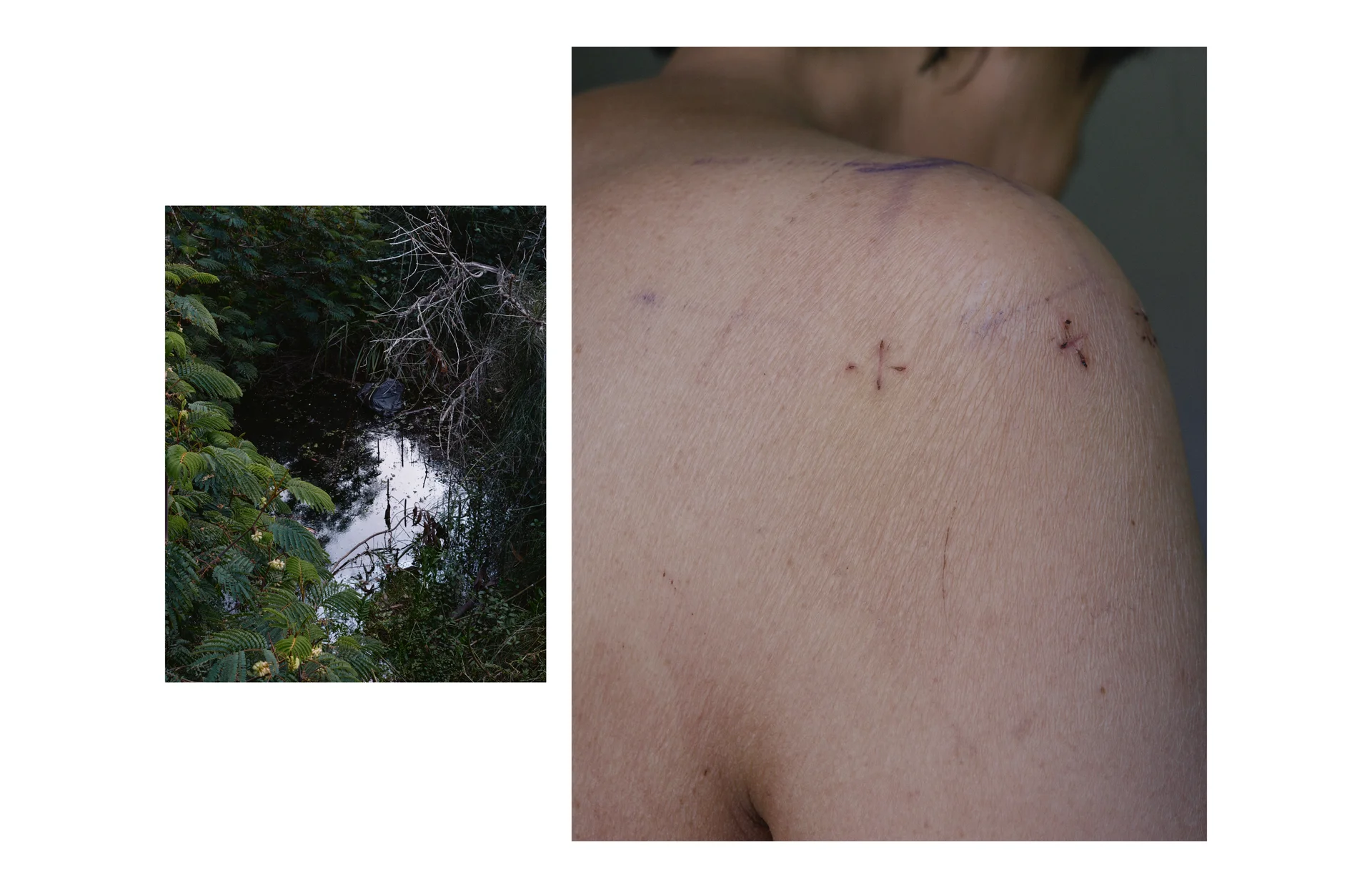
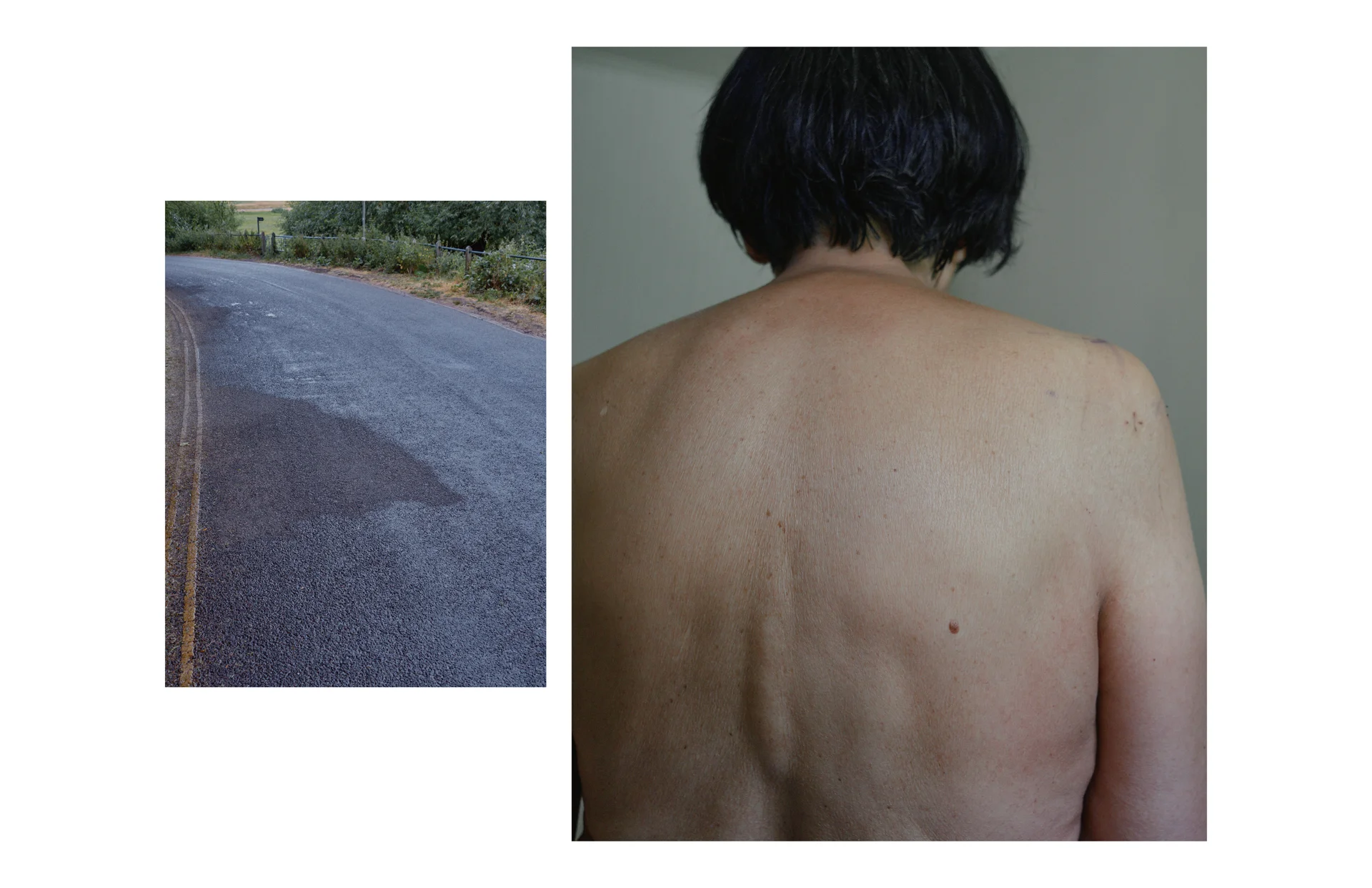
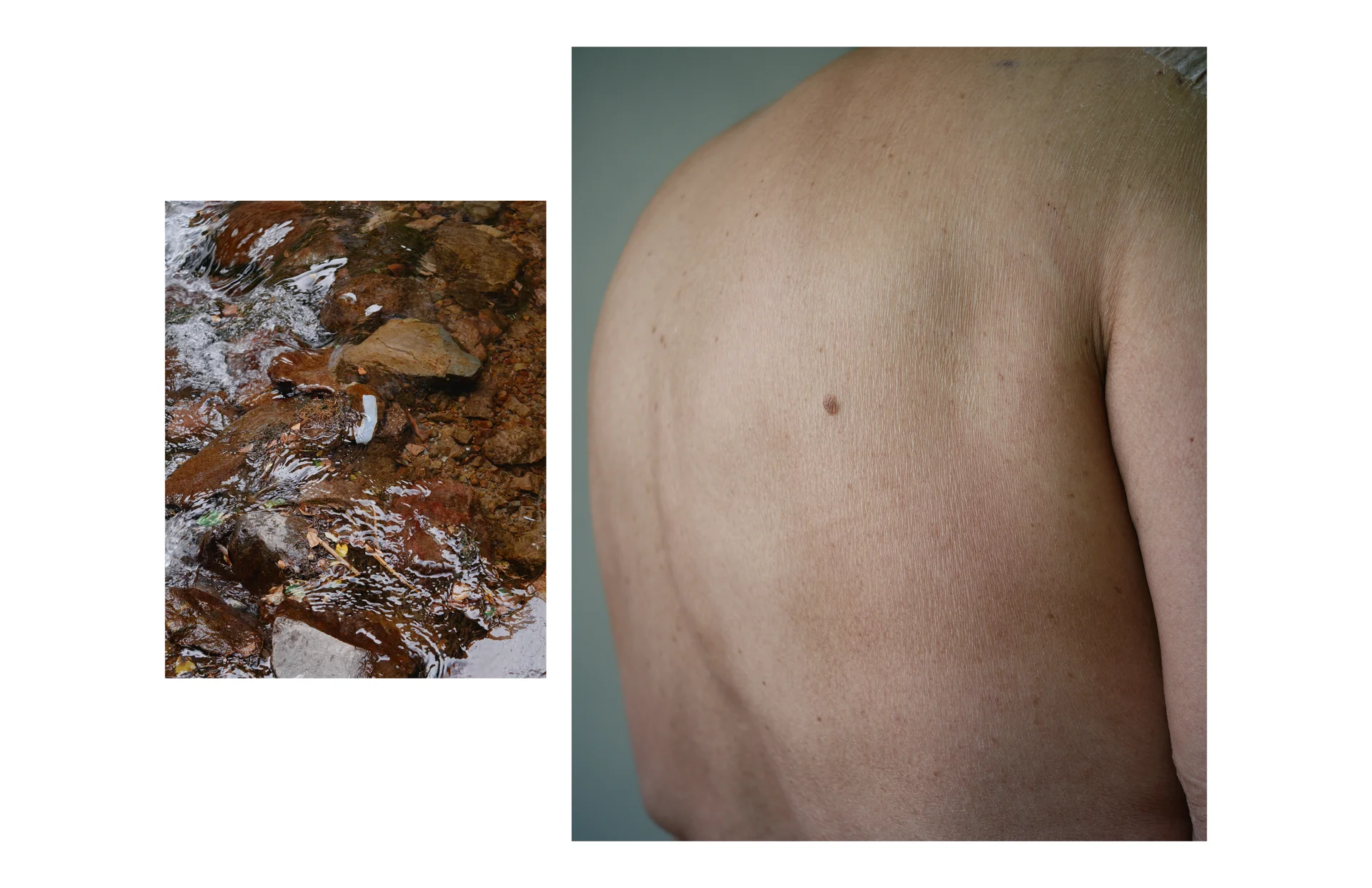
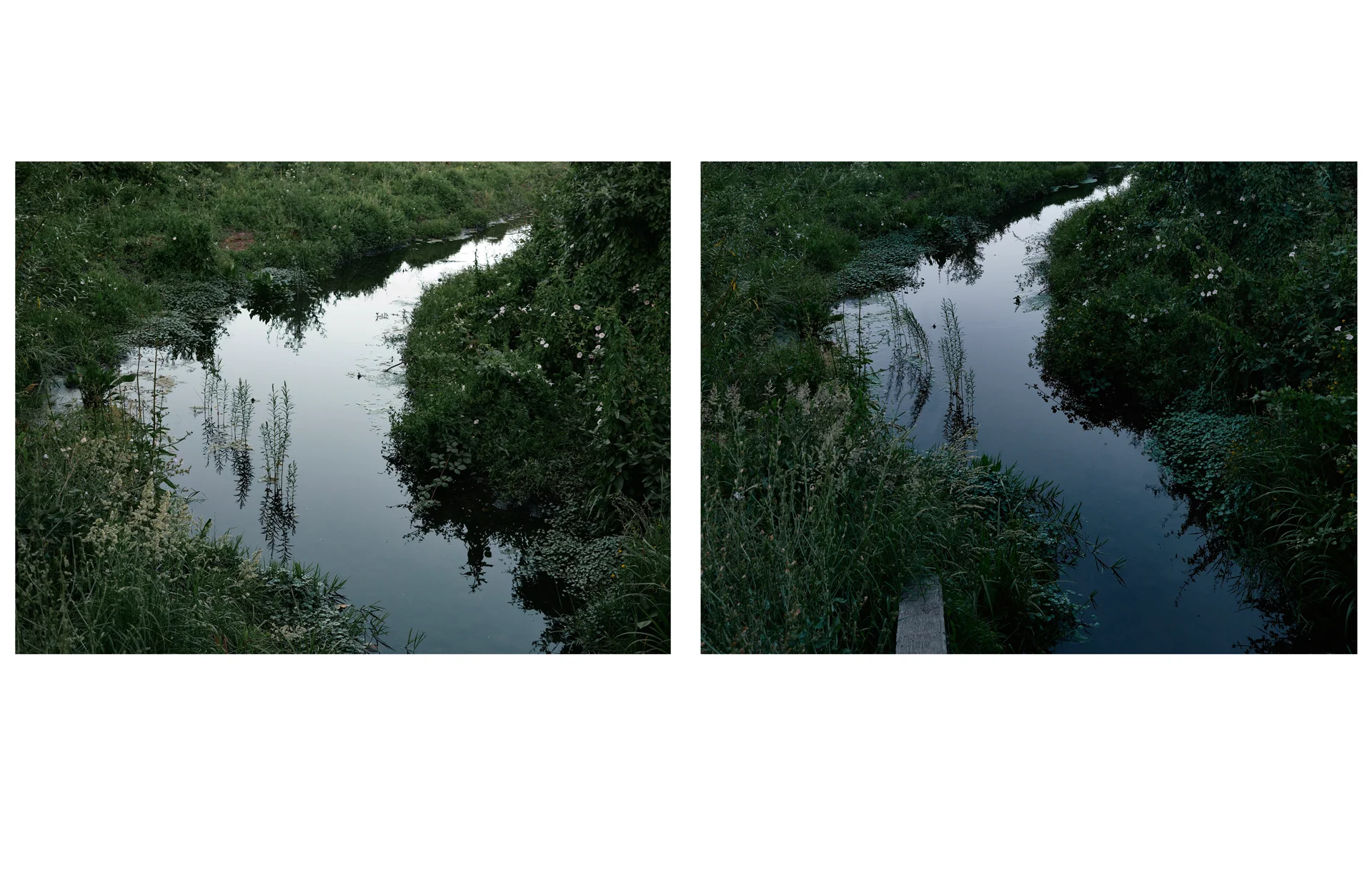
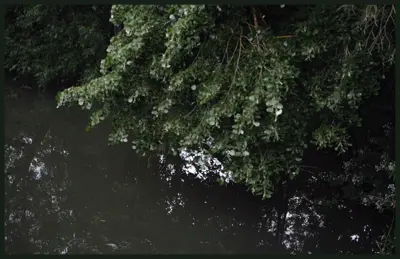
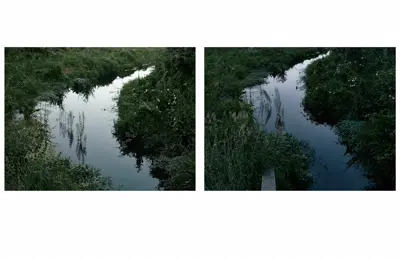
"A Year in the River" is a project that documents the intimate and the banal of a physical and mental journey — from the threshold of my return to Chile, through a later trip south, and the reunion with what was left behind. "A Year in the River" traces a period of time that could be one year, or five, or ten; it is the flow of the routine which, in the presence of physical and mental confinements — the pandemic, depression, and surgical procedures — emerges as registered moments. The river functions as a metaphor for that ever-changing flow, and also for the elemental nature of water, and how this element appears unbidden in the landscapes of my confinements, as a guide for reading my memories.
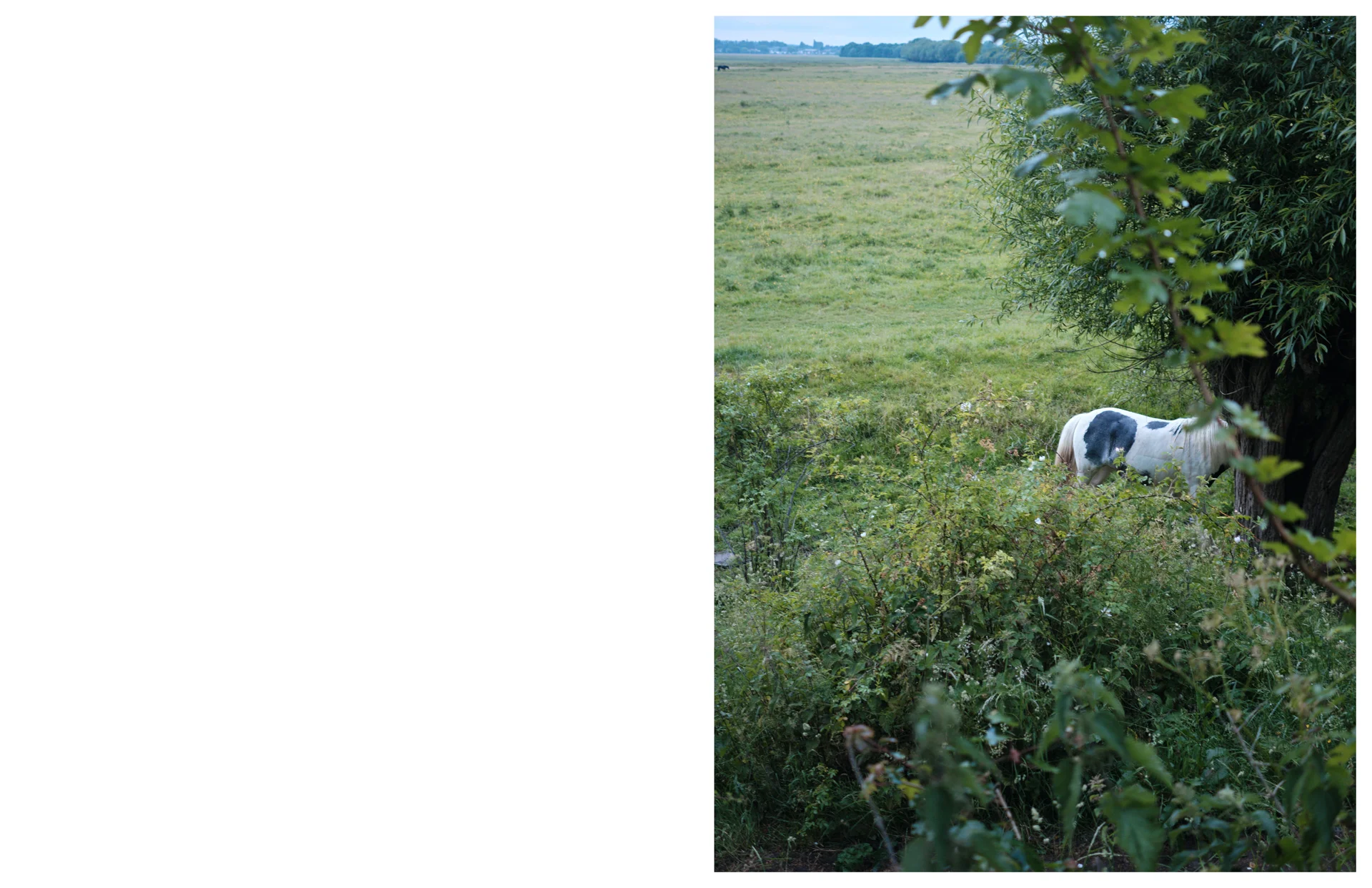
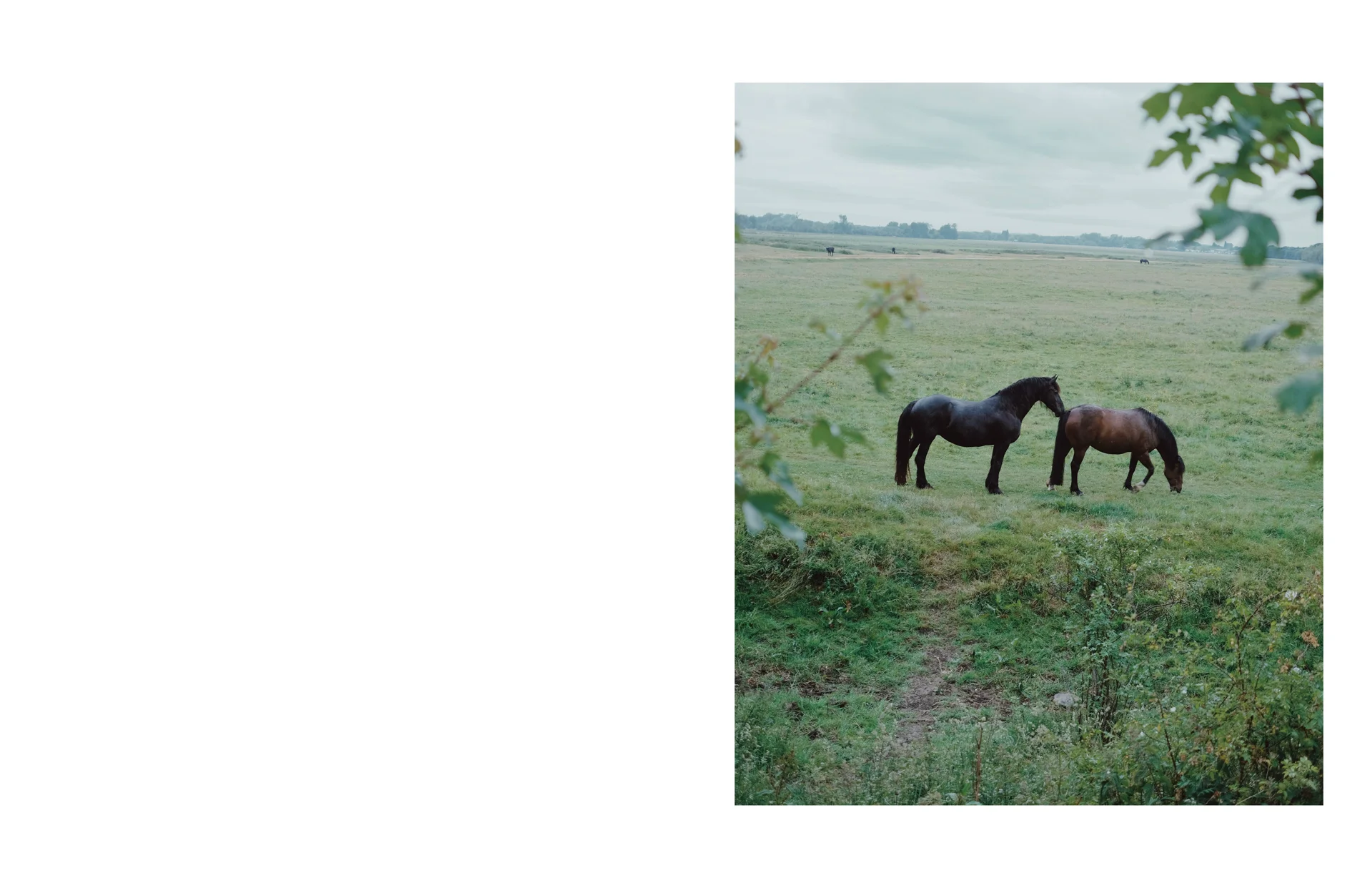
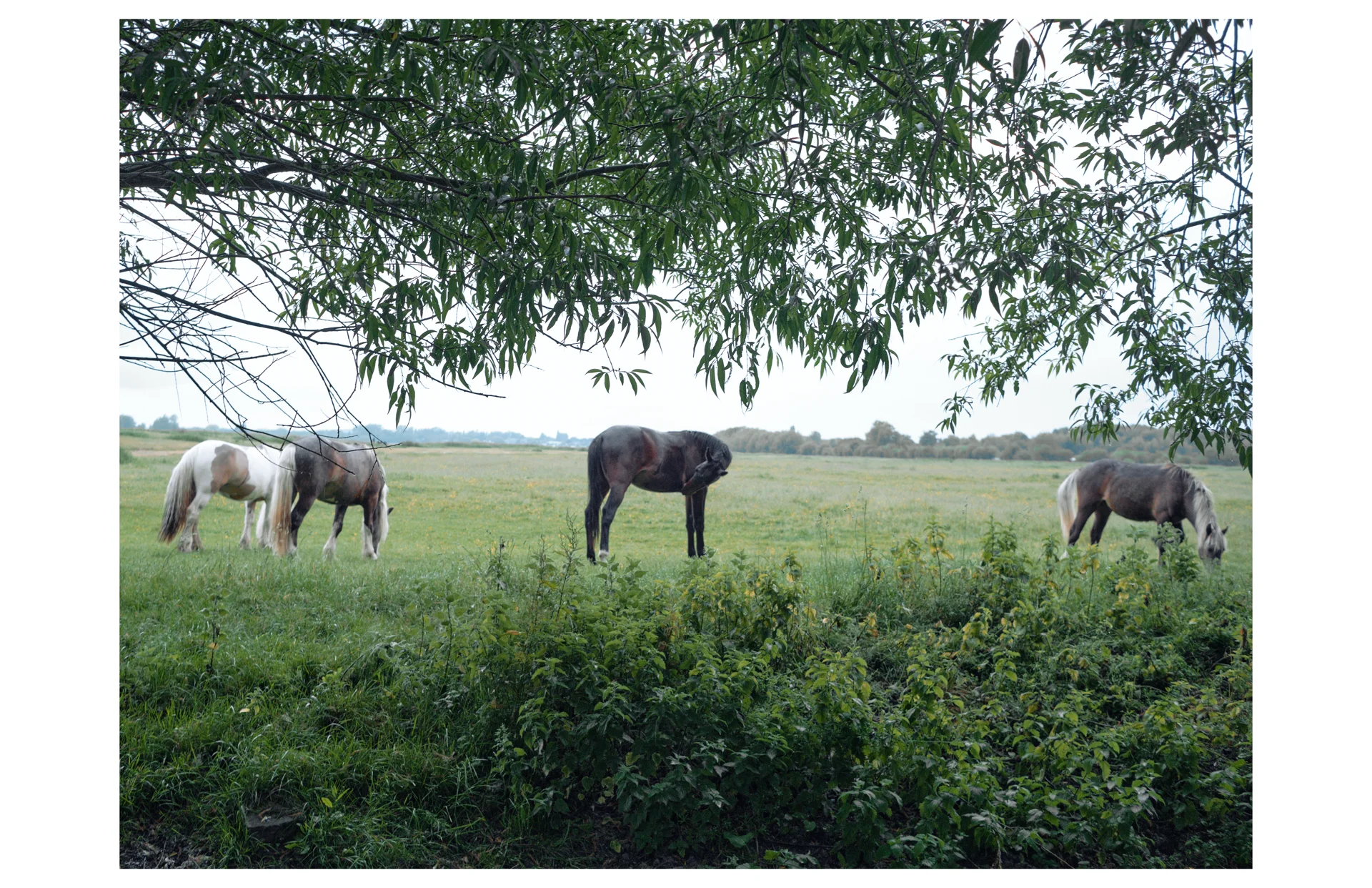
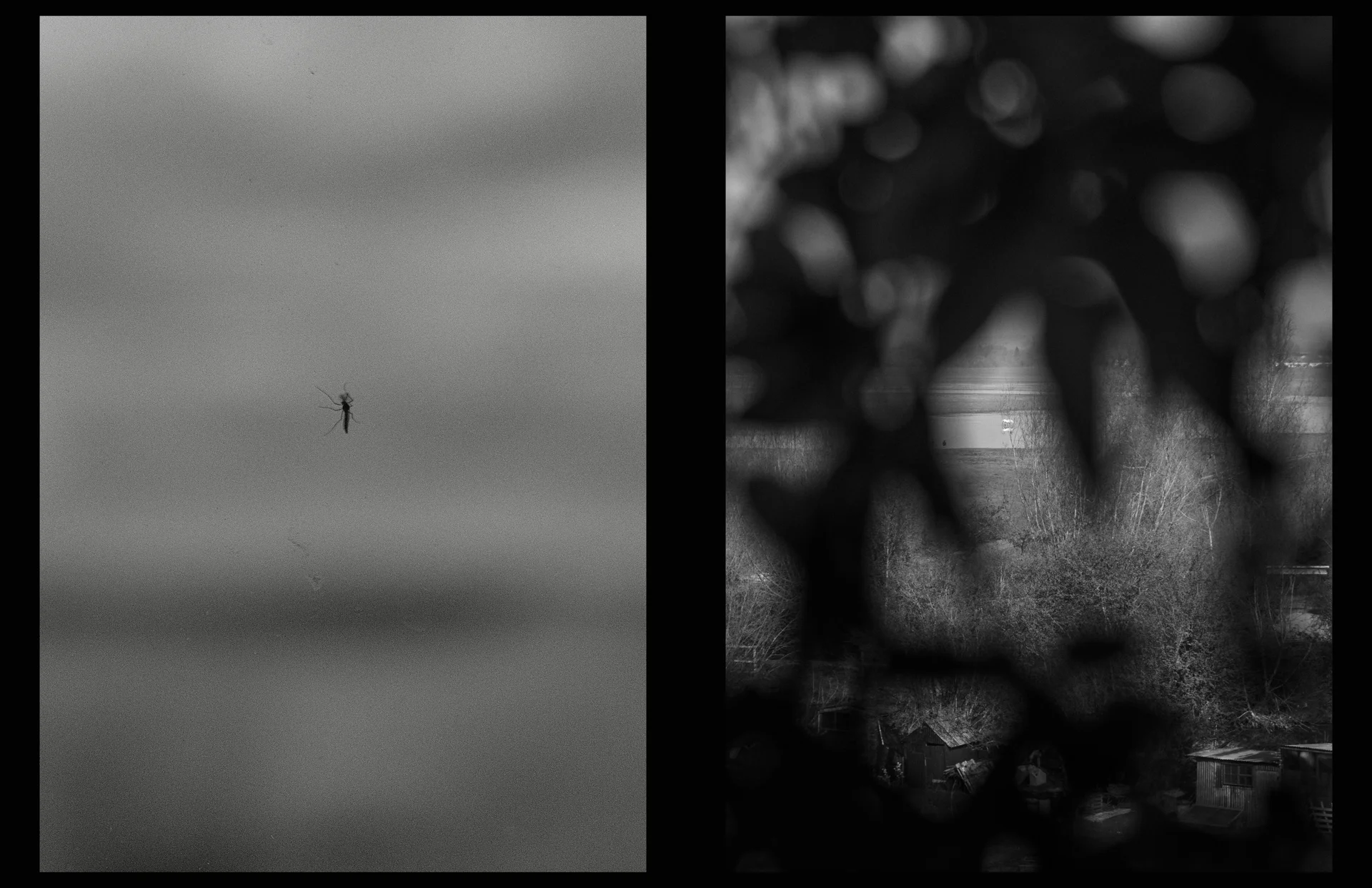
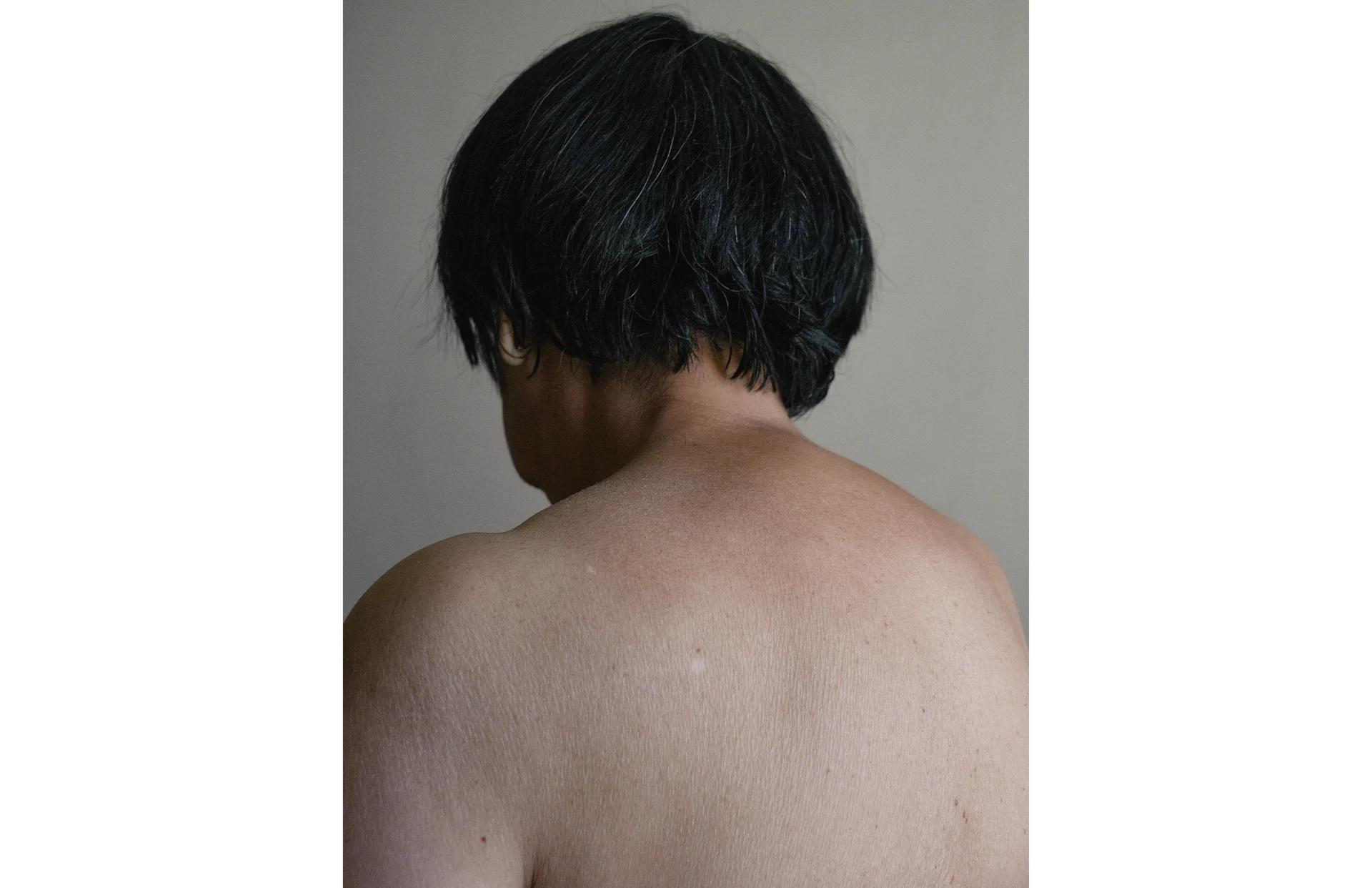
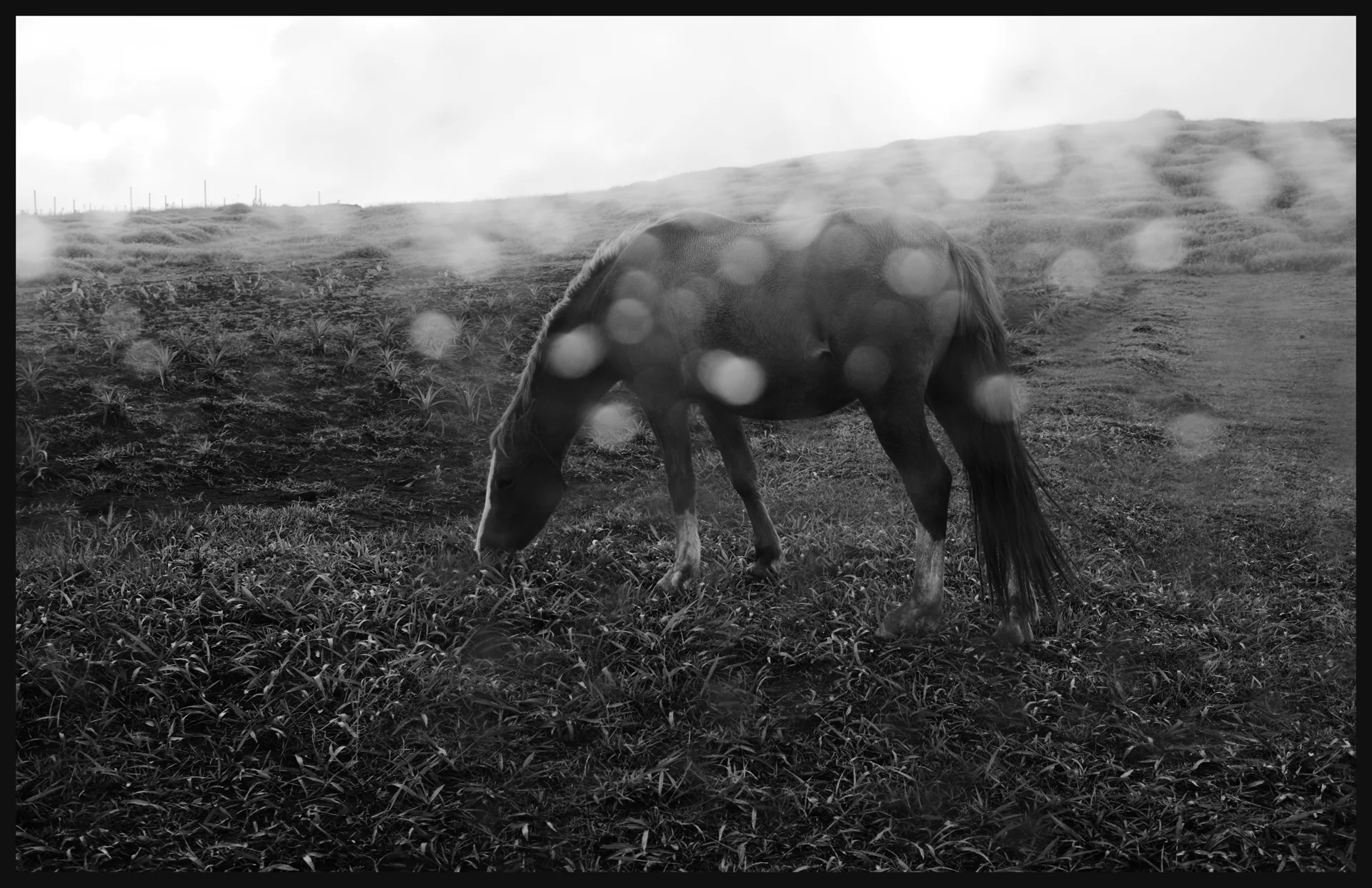
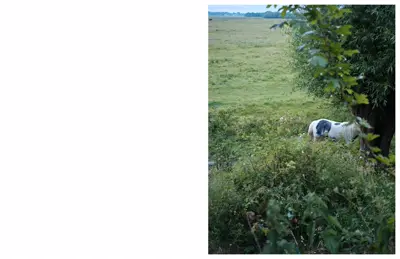
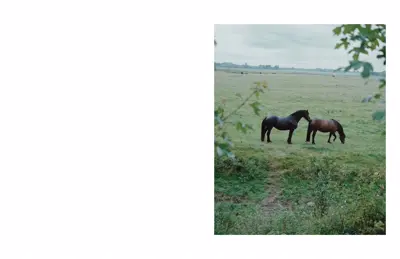
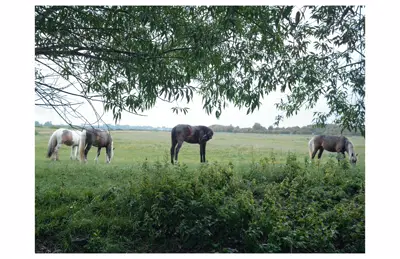
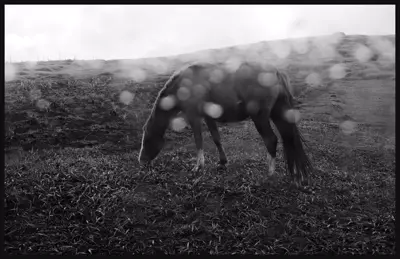
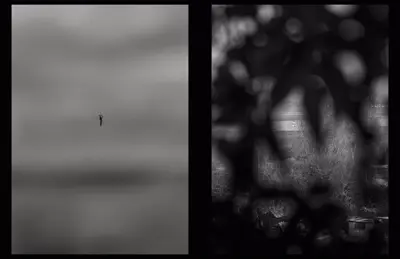
The exhibition works with these dual motifs: water and its flow; the animal, from the body and the loss of emotional control; the unfinished, understood as an unrealised enclosure of the past but also as a truncated future; and finally, the perishable, represented in the decay of the body, and in the revelation of its presence in my mother's body.
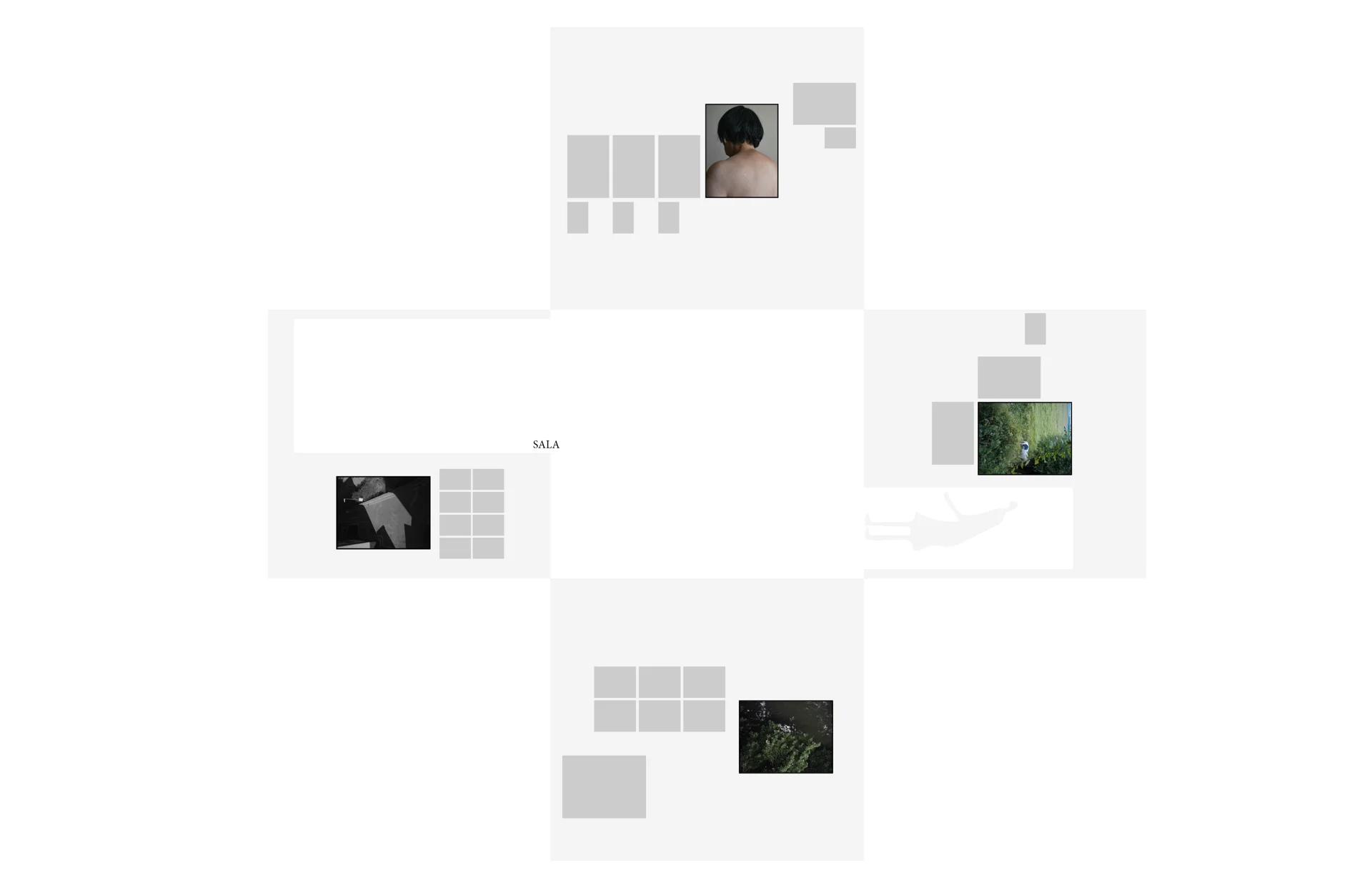
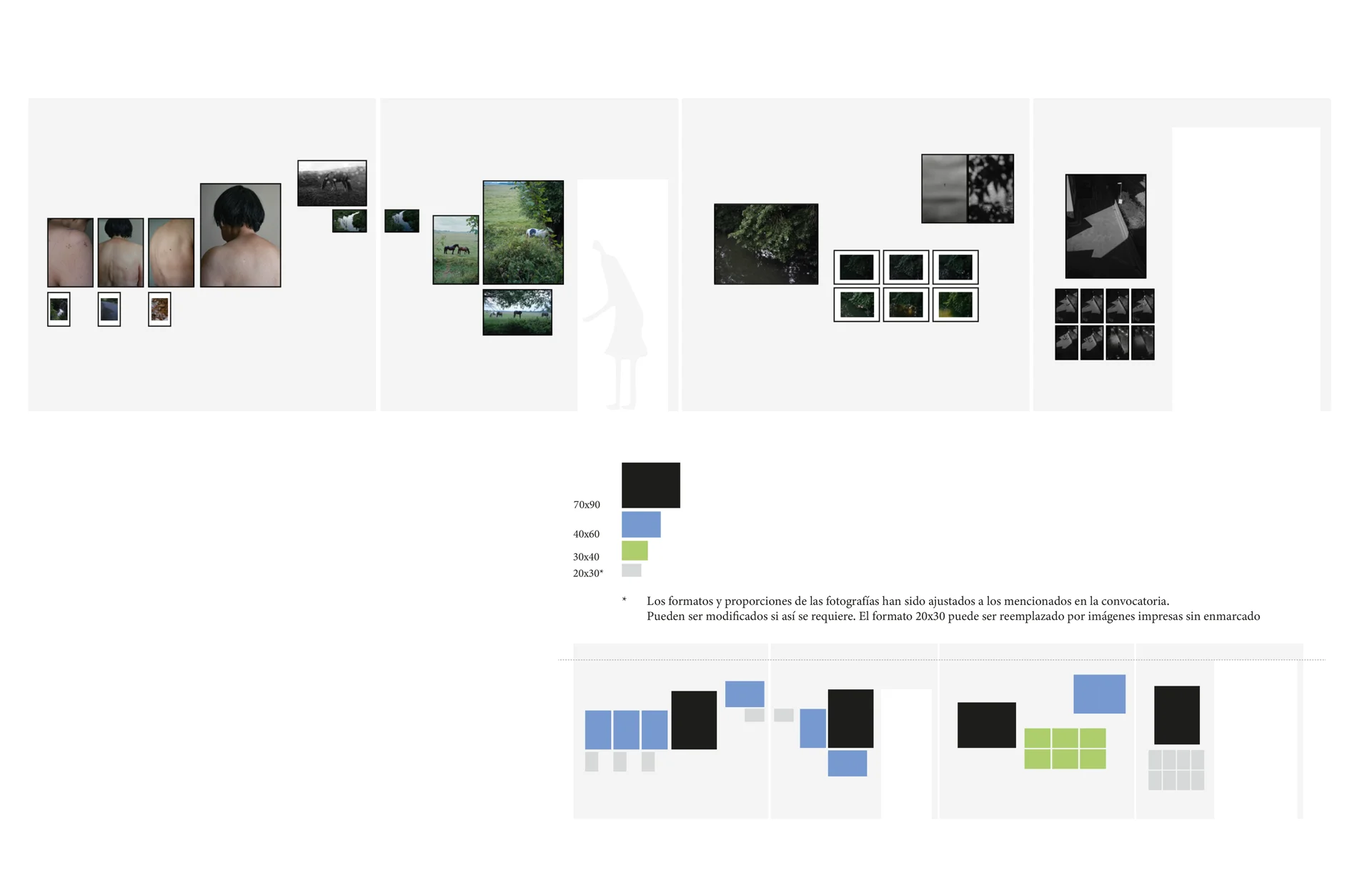
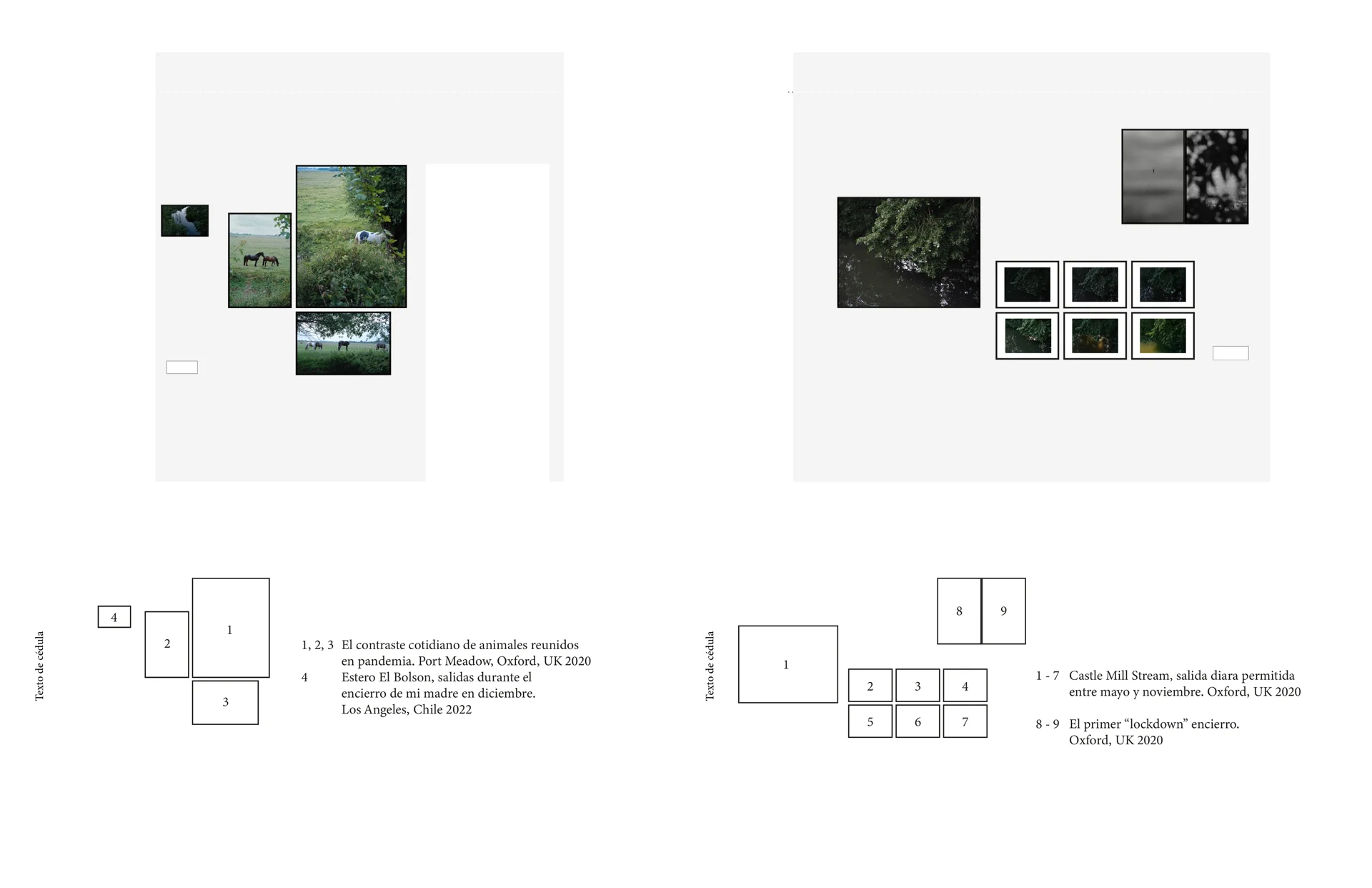
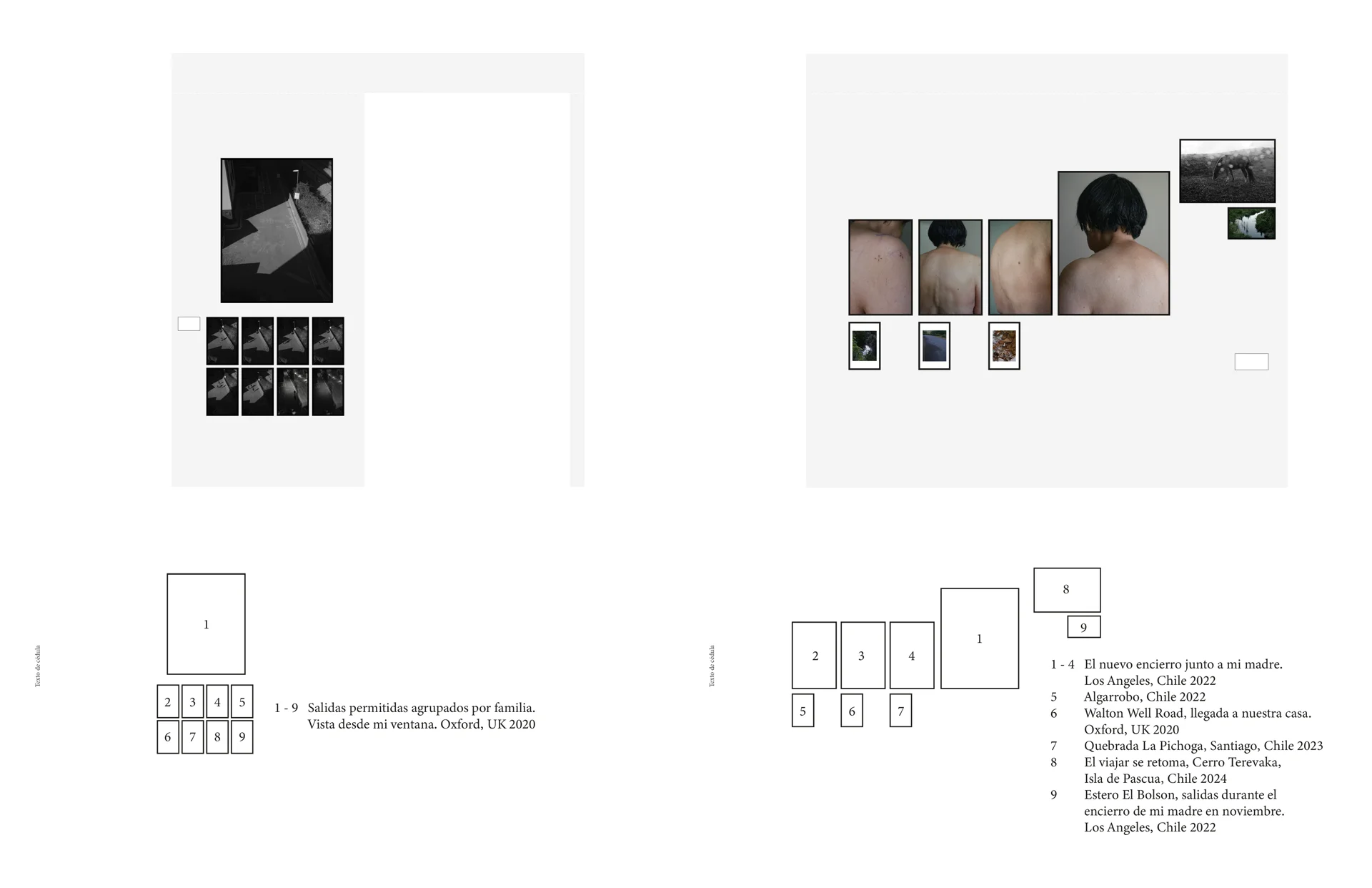
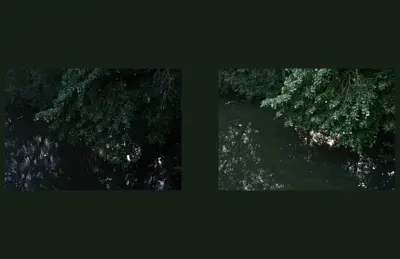
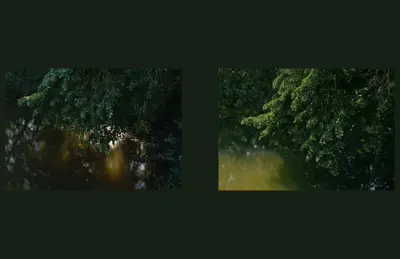
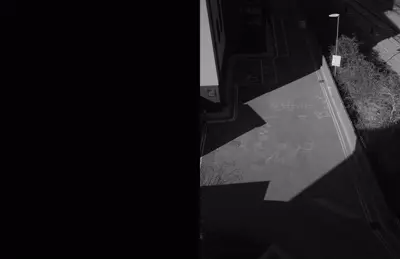
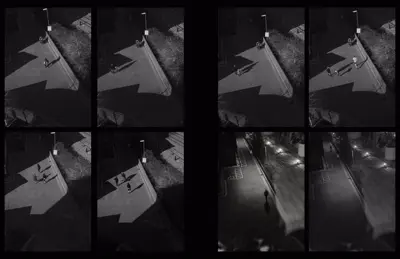
The exhibition is structured in four moments, reflected in each of the room's walls, through four photographic series captured in instants of lucidity and calm during daily outings: first, to care for myself; then, to care for others. It is in this recursiveness of time that, five years later, these memories are reconstructed as an intimate diary of the banal, forged by confinement. One could have chosen images capturing the brutal and the explicit; yet it is in this apparent banality, in the absence of all transcendence, that these images build the affective atmosphere that has travelled with me ever since.